
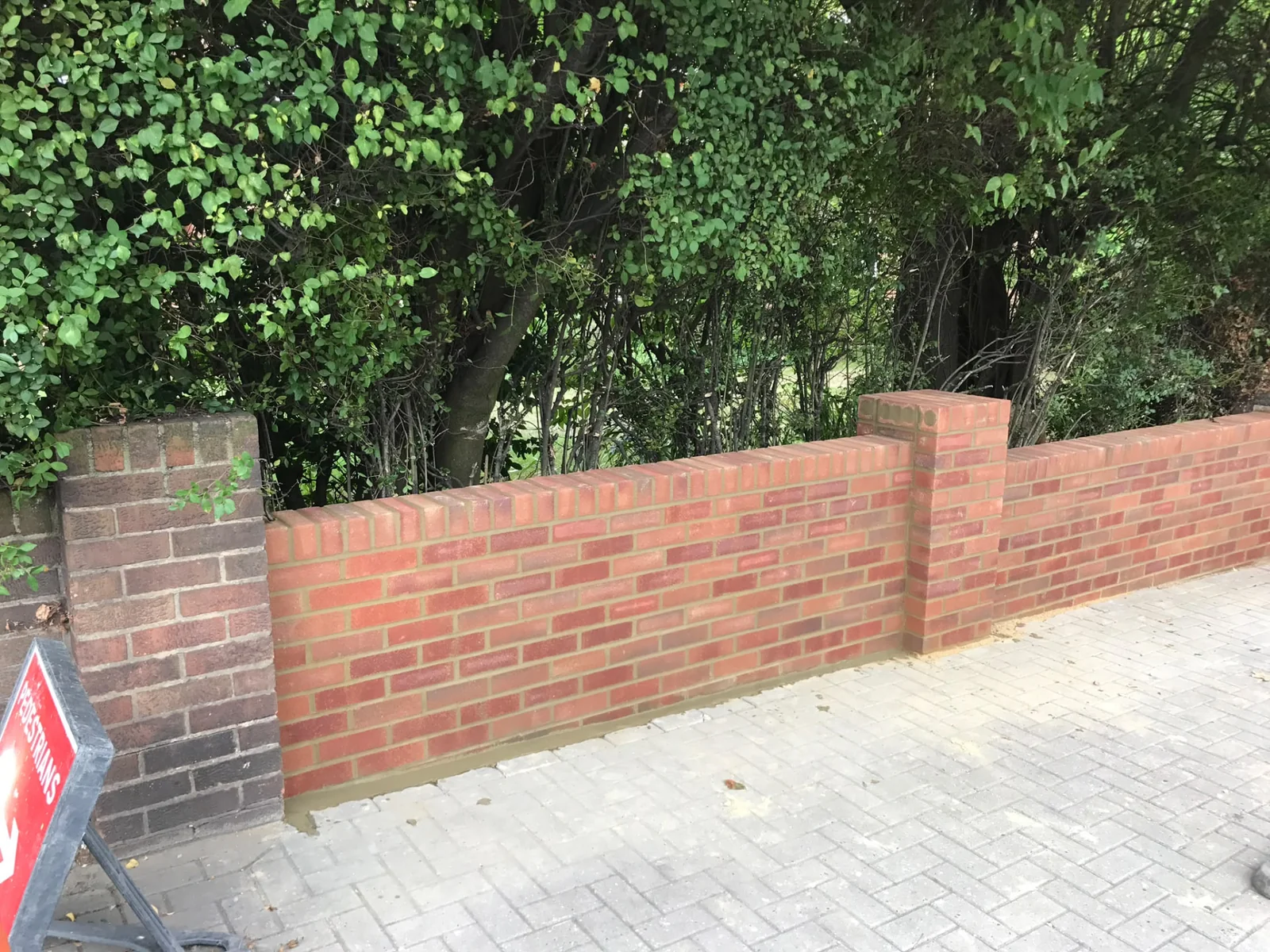
General Building Worksin Southampton & Bournemouth
Turn a list of property defects into an agreed scope of work. We support homes, commercial buildings and managed properties with building works and repairs matched to the condition and intended use.
£10m cover
Public liability insurance
5–10 years
Workmanship guarantee, depending on works
Free quotes
Discuss your requirements
View our profile
Building
Define the repair before arranging the building work
General building works bring together repairs and alterations to the fabric of a property. An enquiry can begin with a specific damaged area or several related defects that need a coordinated approach. Before choosing a method, it is important to understand what has failed, which parts of the building are involved and what the completed work is expected to achieve. A visible crack or deteriorated finish is a starting point for assessment, not a complete specification.
Roofing is our primary service. Our wider building services include render repairs, fencing and gate installation, and patio and landscaping works. We undertake building works and property repairs for homeowners and commercial clients, including support for managed properties. Some work is commissioned as an individual project; other repairs form part of a broader maintenance requirement. Explain the building’s use, the condition you have observed and any other work already planned. Those details help establish whether the enquiry is a local repair or part of a connected building issue.
Professional input matters where defects affect adjoining materials, access or the use of occupied spaces. A surface repair may look complete while the cause of movement or water entry remains unresolved. Conversely, not every visible defect calls for extensive alteration. The aim is to discuss a proportionate scope, identify where separate specialist advice may be needed and make responsibilities clear before work is commissioned.
Acorn does not offer plumbing or electrical services. General building work should not be understood as an unlimited multi-trade promise. If the proposed scope interfaces with services or structural decisions outside the agreed building work, clarify the separate input required. This keeps the enquiry practical and prevents assumptions about who is responsible for specialist aspects of the project.
Who it’s for
- Commercial landlords planning property repairs
- Property managers coordinating building maintenance
- Homeowners with building-fabric defects
- Contractors seeking building-work support
When to discuss the work
- Deteriorated finishes or damaged building fabric
- Repairs needed before refurbishment
- Several connected property defects
- A maintenance review identifying building work
Why an unclear scope can leave the same defect behind
Building repairs are more useful when the cause, interfaces and intended result are understood. Starting with a vague instruction can make both the work and its boundaries difficult to judge.
Covering the symptom instead of the cause
Filling a crack or replacing a finish may be inappropriate if movement or moisture continues behind it. Describe whether the defect is changing and what other symptoms occur nearby. Where structural concerns are involved, appropriate professional assessment may be required before repair choices are made.
Different jobs meeting at an unresolved edge
A building repair often connects with render, roofing, paving or other construction. If each part is treated separately, the junction can remain the weak point. Identify adjacent planned work and clarify which contractor is responsible for preparation, connections and making good before instructions overlap.
Disruption to an occupied property
Noise, access restrictions, materials and work areas can affect the people using a building. In a care setting or managed block, shared routes require particular discussion. Do not assume a small repair has no operational impact; agree practical access and the work sequence with the responsible person.
Missing approvals or specialist input
Some alterations require Building Regulations approval, planning permission or separate structural advice. A general building enquiry does not remove those requirements. Establish whether the proposed work changes the structure, appearance or use of the building and check the appropriate permissions before the scope is carried out.
How it works
From enquiry to the agreed next step
- 01
Discuss and inspect
Tell us about the building defects and intended outcome, the property and the changes you have noticed. Observed condition, construction and adjacent work help define which repairs need further assessment. Access arrangements, occupancy and any immediate safety concerns need to be understood before a suitable scope can be agreed.
- 02
Assess and quote
We discuss the findings, the proposed work and your free quote. Establish what is included, which items depend on further investigation, and whether any separate professional advice or approvals are required. This gives you a scope to consider rather than a price based on guesswork.
- 03
Agree and carry out
The building work follows the agreed scope and interfaces, with access and occupied areas considered before the sequence is set. Agree access, the sequence of work and arrangements for the people using the property. If concealed conditions change what is needed, discuss the implications before treating additional work as part of the original instruction.
- 04
Review the work
Review the repaired areas and agreed making-good work, noting any separate recommendations or items outside the commissioned scope. Review the completed scope against what was agreed and raise any questions while the work is still easy to inspect. Different materials and repairs need different checks; a visual finish alone does not explain the condition of hidden construction.
- 05
Completion and guarantee
Discuss care of the completed work, any remaining recommendations and the applicable guarantee. Our workmanship guarantee is 5–10 years depending on the works carried out; the terms for your particular work are confirmed rather than assumed to cover every item equally.
What matters for your property
A considered scope. A practical outcome.
One defined building-work scope
A clear description of the areas and outcomes makes the quote easier to compare and the completed work easier to review. It avoids treating every nearby defect as included simply because it appears on the same property.
Repairs that consider adjacent construction
Looking at the connection between materials helps identify what the repair depends on. A sound junction or preparation may matter more than the visible finish, especially where roofing, render or external ground levels interact.
More useful maintenance decisions
Property managers can separate immediate repairs from items requiring further advice or planned work. A prioritised scope is more actionable than a general instruction to repair everything, without a defined condition or budget decision.
Practical access arrangements
Discussing shared entrances, storage and occupancy helps the client understand how work will fit around the building. These are arrangements to agree, not a promise that every project can happen without disturbance or restrictions.
Honest specialist boundaries
Identifying structural, plumbing or electrical interfaces prevents building work from being mistaken for specialist services outside Acorn’s offering. You can arrange the appropriate separate input before the project depends on an assumption that cannot be met.
A quote and qualified guarantee
Our quotes are free. The workmanship guarantee is 5–10 years depending on the works, with the relevant terms confirmed for the commissioned job. Keep the scope and terms together so future property decisions have a clear reference.
Building repair scope, materials and property use
Assessment of existing building fabric
Existing masonry, finishes and supporting construction influence the appropriate repair. A deteriorated area should be considered alongside the surrounding condition rather than viewed as a standalone blemish. Tell us whether it follows water entry, previous alteration or a change in the building’s use. This helps establish what needs investigation before a method is agreed.
Visible movement, widening cracks or distortion can require separate professional input. Cosmetic work should not be used to hide signs that need structural assessment. The same principle applies when opening an area reveals an unexpected condition: discuss what it means for the agreed scope rather than assume the original repair remains appropriate.
Materials and compatible repairs
Mortar, render and other finishes need to work with the construction they meet. Older buildings may behave differently from newer ones, particularly in how they handle moisture. A repair chosen only because its colour looks similar can overlook compatibility, preparation and movement. Discuss the existing construction and the reason for the proposed approach.
Materials and methods are specified for the particular job, not guaranteed by a general list on a service page. Ask what preparation is needed, which surfaces will be affected and what finish is included. If matching an existing appearance is important, raise it before work is agreed; weathered surfaces do not always provide an exact match for new work.
Sequencing with other property work
Building repairs can overlap with roofing, render repairs, fencing or patio work. For example, correcting water entry may need to happen before an affected finish is renewed. Where multiple contractors are involved, agree the sequence and responsibility for interfaces. Starting with the final decorative layer can be wasteful if the underlying defect still requires attention.
For commercial and managed sites, explain any refurbishment programme and the person responsible for decisions. Changes to access, deliveries or occupied rooms should be discussed with the client. General building works can support a wider project, but the quote should say which tasks are included instead of treating subcontract support as an open-ended commitment.
Permissions, occupied sites and records
Planning permission and Building Regulations approval are distinct checks. The need depends on the proposed work, existing construction and any restrictions affecting the building. Listed buildings and protected areas may introduce additional requirements. Check with the relevant authority or adviser where needed before assuming that a repair or alteration can proceed without consent.
Keep a record of the defect, agreed scope and completed work with the property information. For a managing agent, this can help distinguish a finished repair from a recommendation for a later project. For a homeowner, it makes future enquiries more precise when a different area needs attention. Any reporting or documentation beyond the agreed scope should be discussed, not assumed.
Planning your building-work quote
A useful quotation starts with the condition of the property and an agreed scope. The areas involved, existing condition, preparation, material choice, access and connections to other work affect the quotation. Give us the property type, the area needing attention, how the building is used and any restrictions on access. Existing photographs can help explain the issue, but take them only from a safe position; they cannot reveal every concealed defect or replace an appropriate assessment.
Compare the scope of different quotations, not just the total. Check what preparation, access, disposal, finishing and follow-up work are included, and what remains outside the instruction. If another contractor or specialist needs to be involved, clarify that responsibility before work starts. We provide free quotes. Large jobs require a deposit; small jobs are paid on completion with no deposit. The arrangements for your job are discussed with the quote.
Related services
General Building Works near you
- Property services in Southampton
- Property services in Bournemouth
- Property services in Christchurch
- Property services in Totton
- Property services in Hythe
- Property services in Lymington
- Property services in New Milton
- Property services in Ringwood
- Property services in Highcliffe
Acorn roofing, building and maintenance · Contact our team for a free quote
FAQs
General Building Works: your questions
What affects the cost of general building work?
The condition, size of the repair, preparation, materials and access determine the scope and cost. Speak to us about the condition, access and intended outcome so we can provide a free quote for the scope you need. Large jobs require a deposit; small jobs are paid on completion with no deposit.
What is the timeline for general building work?
The work sequence, occupied-property constraints and any separate approvals or specialist input affect timing. We discuss the likely programme once the scope and access are understood. Tell us about occupancy, planned events and other work so practical constraints can be considered before arrangements are agreed.
What workmanship guarantee applies?
We offer a 5–10 year workmanship guarantee depending on the works carried out. The applicable duration and terms are confirmed for your job. A workmanship guarantee is not the same as a promise about the lifespan of every material or a guarantee against unrelated defects elsewhere in the building.
What affects the lifespan of general building work?
A repair must be considered against the condition and behaviour of the surrounding building fabric. Durability depends on the existing condition, selected materials, exposure, installation details and ongoing maintenance. Ask about care, inspection and the signs that should prompt another assessment of your particular work.
Can you attend an emergency or come out of hours?
Emergency call-outs depend on our team’s availability, including out of hours where possible. We do not guarantee same-day attendance, a response time or a 24-hour service. Call to explain the situation and confirm availability. Keep people away from unsafe areas; if there is an immediate danger to life, contact the emergency services.
Do you provide general building work in Southampton and Bournemouth?
Yes. We work across Southampton, Bournemouth, Christchurch, Totton, Hythe, Lymington, New Milton, Ringwood, Highcliffe. Tell us the property location and whether the enquiry concerns a home, commercial building or managed site. We can discuss the work and access requirements without assuming that every property in an area has the same construction or needs.
Do your general building works include plumbing and electrical work?
No. Acorn does not offer plumbing or electrical services. If a building-work project involves those systems, the necessary separate trade input and responsibilities should be clarified before the work is agreed. We can discuss the building scope without implying that every specialist element of a refurbishment is supplied by our team.
Can building repairs form part of a maintenance contract?
Yes. General building maintenance is part of our facilities-management and commercial-maintenance scope, alongside individual property repairs. Tell us about the site, the defects and who authorises work. The contract arrangements, reporting expectations and response requirements need to be discussed for the property; they are not automatic service-level guarantees.
Your next step
Turn your building-work requirements into a clear scope
Tell us which areas need attention, how the property is used and what you want to achieve. Request a free quote for the building work, with specialist boundaries and practical arrangements discussed from the start.
- Free quotes for your requirements
- £10m public liability cover
- 5–10 year workmanship guarantee, depending on works
Discuss your free quote
Send your requirements through our Contact page, or call our team to discuss your property and the work you need.
Request a Free Quote01590 619306Alternative: 07427 845224